A Weak Capacitor Can Kill Your AC When You Need It Most
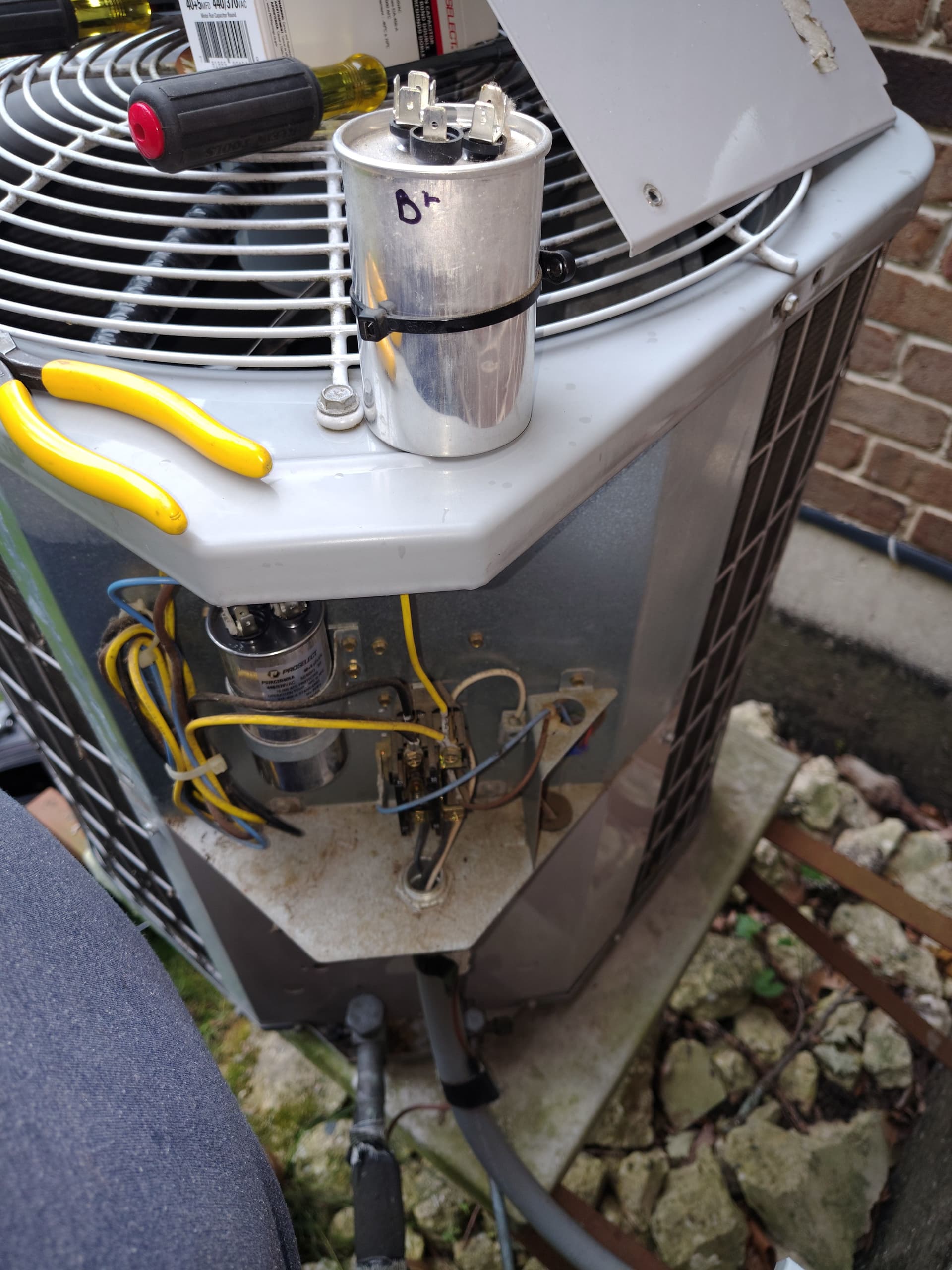
Most AC breakdowns don't come out of nowhere. There's usually a small part that's been quietly failing for a while - and the capacitor is one of the most common culprits. It's a simple component, but when it goes weak, your condenser can't start up properly. That's when you get the dreaded situation of your AC running but not cooling, or not turning on at all.
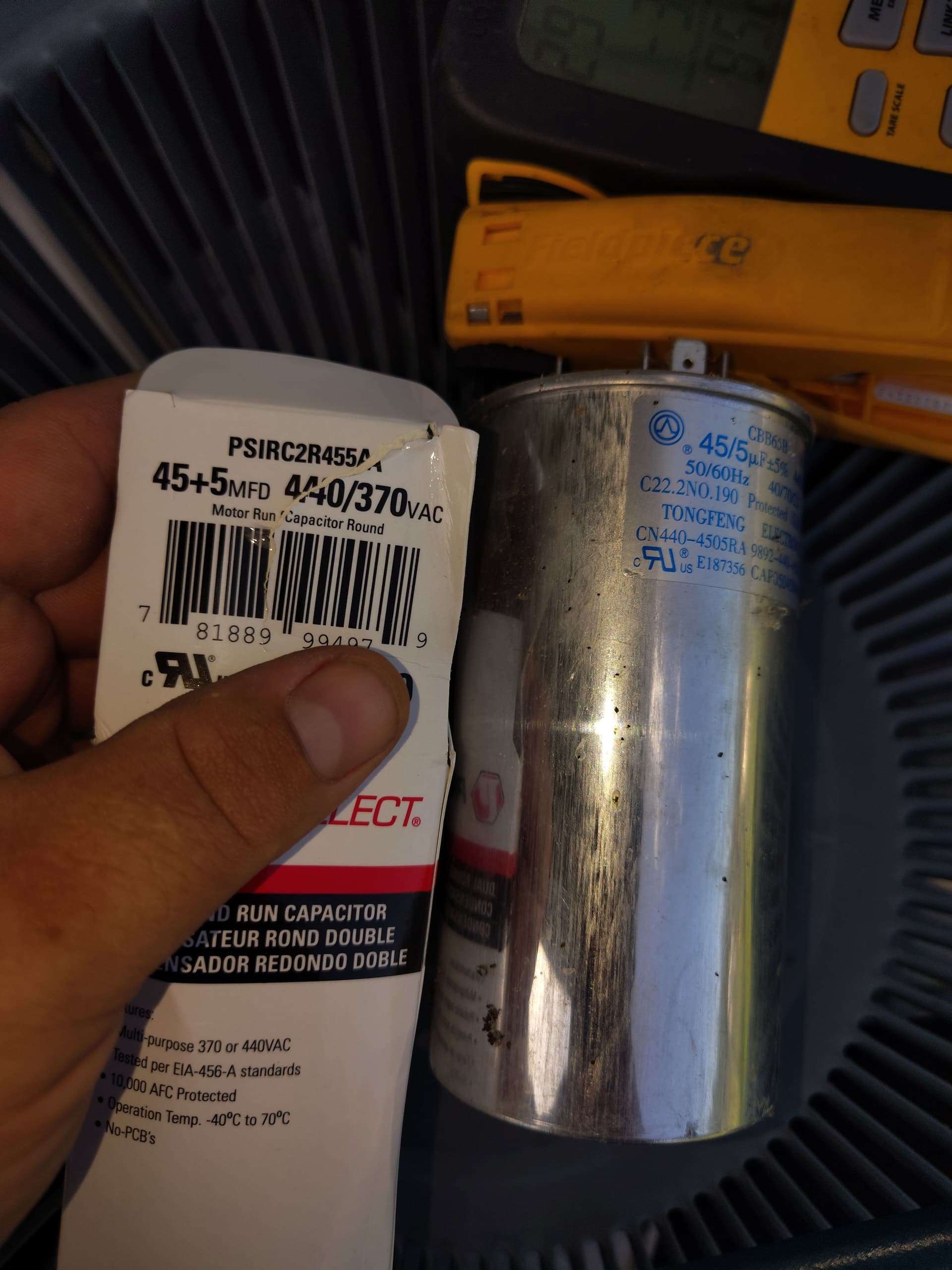
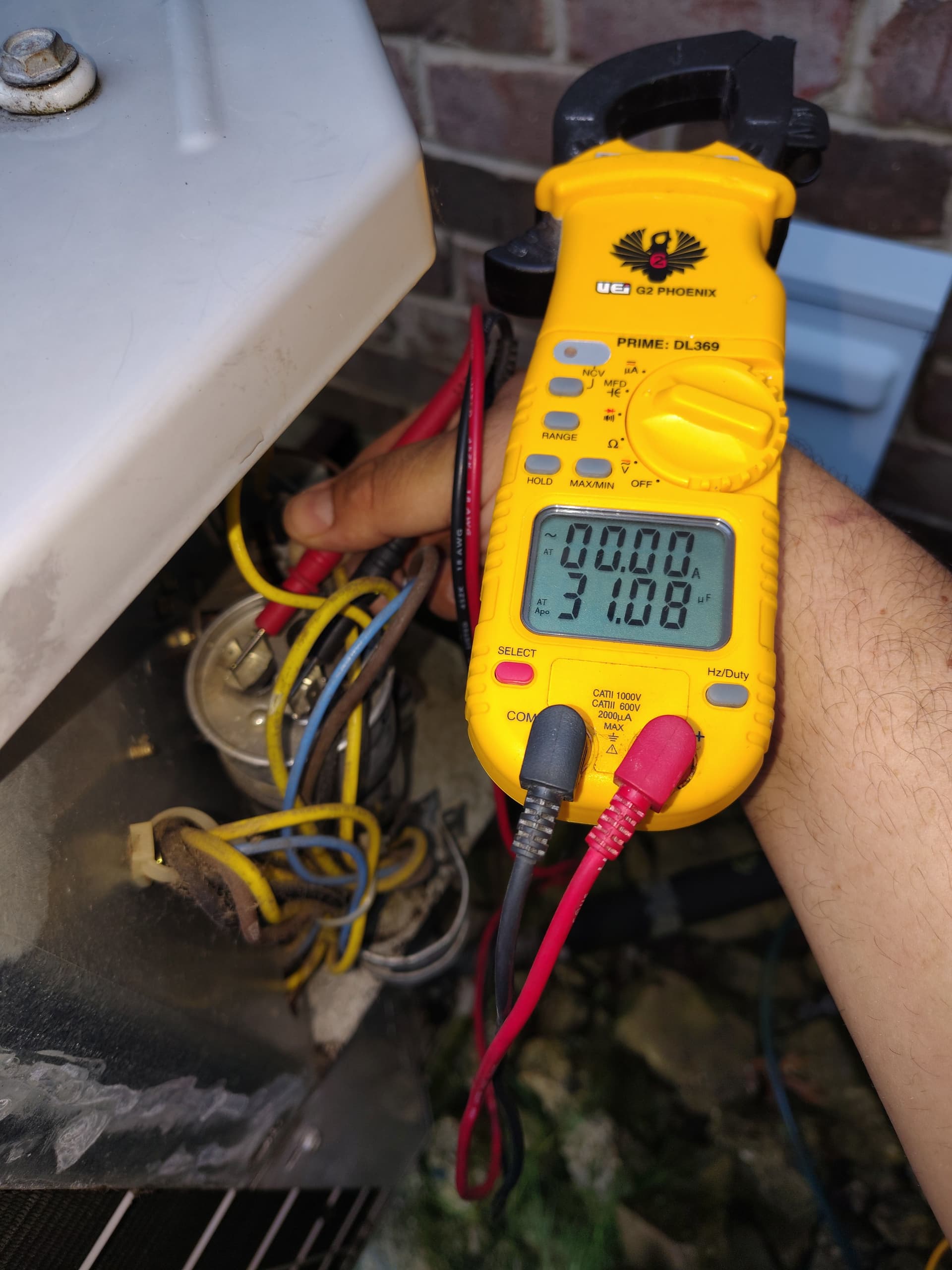
Here's what the diagnostic process actually looks like. We test the existing capacitor's microfarad reading with a clamp meter to see how far it's drifted from its rated spec. A 45+5 MFD capacitor reading at 31.08 uF is a clear sign it's lost too much capacity to do its job reliably. That's not a borderline call - that's a part that needs to come out.
We swap it with a properly rated replacement - in this case a 45+5 MFD, 440/370VAC motor run capacitor. Matching the specs matters. Put in the wrong capacitor and you're either stressing your motor or setting yourself up for another failure down the road. We don't cut corners on that.
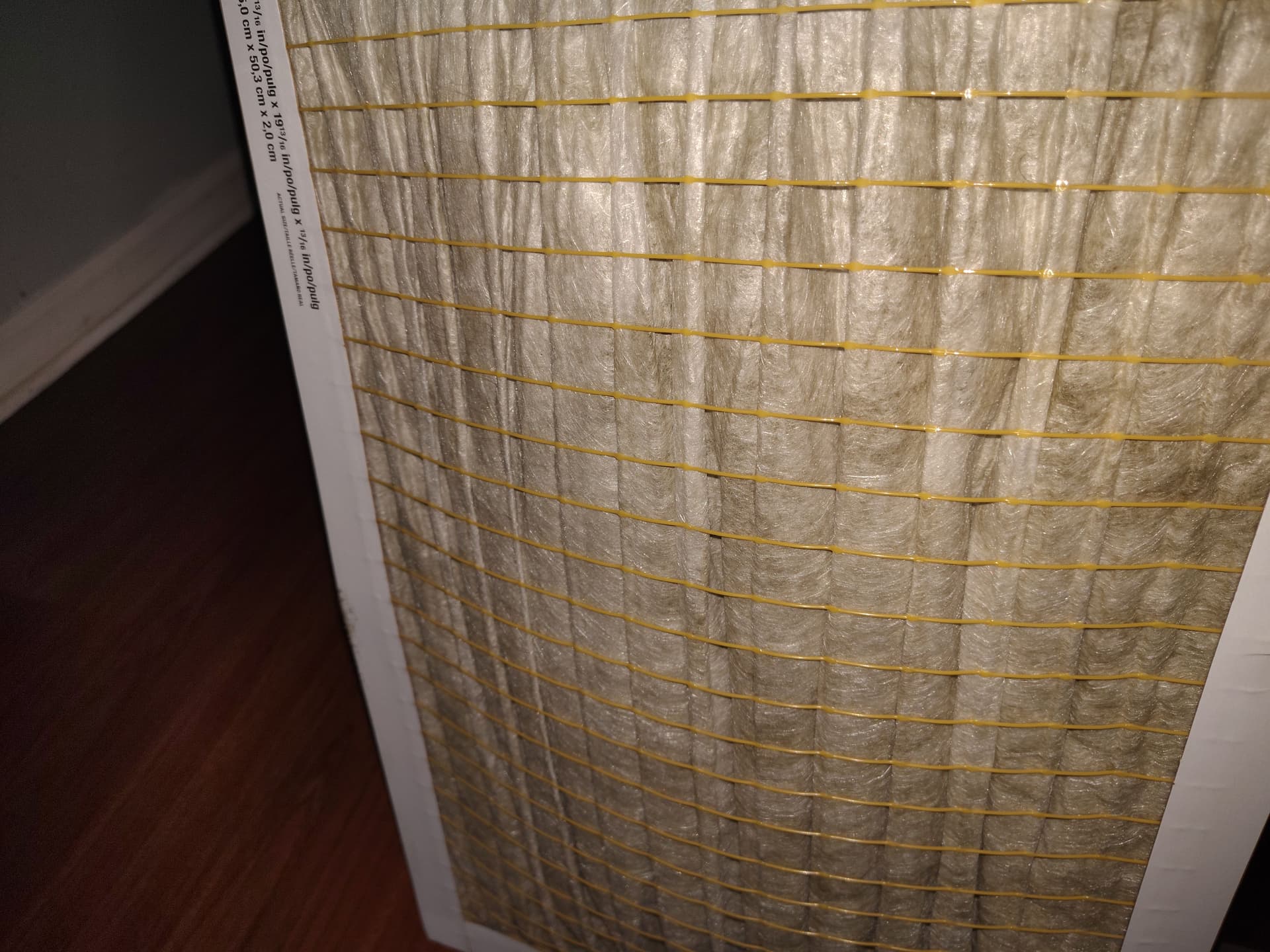
We also check the air filter during every visit. A clogged filter is one of those things that sneaks up on homeowners and quietly makes the whole system work harder than it has to. It affects airflow, efficiency, and can speed up wear on components throughout the system. A fresh EPA-rated filter is a small thing that makes a real difference.
Regular maintenance is how you avoid surprise breakdowns. A weak capacitor caught during a routine check is a quick fix. The same problem caught when your system dies on a hot day is a much bigger headache. Staying ahead of it is always the better move.